Before Choosing Bamboo Brush for Hair, Do This

Bamboo brushes for hair have become increasingly popular in recent years, and for good reason. They offer a number of advantages over traditional plastic brushes, including:


  • Gentleness: Bamboo bristles are softer and more flexible than plastic bristles, making them less likely to cause hair breakage.
  • Reduced static and frizz: Bamboo is a natural material that does not generate static electricity, which can help to reduce frizz and flyaways.
  • Sustainability: Bamboo is a renewable resource that is more environmentally friendly than plastic.
Best Bamboo Brush for Hair


Before Choosing Bamboo Brush for Hair, Do This

If you are considering switching to a bamboo brush for hair, here are a few things to keep in mind when choosing the right brush for your needs:

Bristle type:

Bamboo brushes come with a variety of bristle types, including natural bamboo bristles, synthetic bristles, and a mix of both. Natural bamboo bristles are the gentlest on hair, but they may not be as effective at detangling thick or curly hair. 

Synthetic bristles can be more effective at detangling, but they may be more likely to cause breakage. If you have thick or curly hair, you may want to choose a brush with a mix of natural and synthetic bristles.

Bristle spacing:

Bamboo brushes also come with a variety of bristle spacings. Brushes with widely spaced bristles are better for detangling, while brushes with tightly spaced bristles are better for styling. 

If you have thick or curly hair, you may want to choose a brush with widely spaced bristles. If you have fine or straight hair, you may want to choose a brush with tightly spaced bristles.

Brush size:

Bamboo brushes come in a variety of sizes. If you have long hair, you may want to choose a larger brush. If you have short hair, you may want to choose a smaller brush.


Top 5 Rated Bamboo Brushes for Hair

Here are a few of the top-rated bamboo hair brushes on the market in 2023, including their rating stars, reviews, and prices:


1. Hair Brush, Eco-Friendly Natural Wooden Bamboo Paddle Hairbrush

  • Rating: ⭐⭐⭐⭐⭐ (5.0 out of 5 stars)
  • Price: ££6.99
  • This paddle brush is suitable for all hair types, with bamboo bristles that promote scalp health and hair growth.
  • Buy on Amazon Store

2. Regrowz Bamboo Paddle Hairbrush with Round Bristles

  •  Rating: ⭐⭐⭐⭐⭐ (5.0 out of 5 stars)
  •  Price: £9.99
  •  Designed to promote hair growth, this paddle brush features round bristles for scalp massage and reduced hair breakage
  • Buy on Amazon Store


    3. BFWood Bamboo Handle with Bamboo Bristles Paddle Hairbrush

    •  Rating: ⭐⭐⭐⭐⭐ (5.0 out of 5 stars)
    •  Price: £8.98
    •  Ideal for detangling without causing breakage, this paddle brush boasts soft bamboo bristles and a comfortable bamboo handle. 
    • Buy on Amazon Store


    4. BFWood 4 in 1 Bamboo Hair Brush Set, Eco-Friendly Wooden Hair Brushes and Combs Set

    • Rating: ⭐⭐⭐⭐⭐ (5.0 out of 5 stars)
    • Price: £16.98
    • This comprehensive set includes four bamboo brushes and combs, catering to various styling tasks and all hair types.
    • Buy on Amazon Store

    5. Bamboo Paddle Hairbrush Hair Massage Brush Wooden Anti-Static Hair Brush

    • Rating: ⭐⭐⭐⭐⭐ (5.0 out of 5 stars)
    • Price: £5.99
    • Featuring dual-sided bristles for detangling and styling, this paddle brush also includes a built-in massager to stimulate hair growth.
    • Buy on Amazon Store

    Regardless of your hair type or specific needs, there's a bamboo hair brush that's perfect for you. With their myriad benefits, bamboo hair brushes are a wise investment for maintaining your hair's health and beauty.

    Buyers Tips

    • Prices may vary depending on the retailer and the specific bamboo hair brush you choose.
    • Many retailers offer free delivery on orders over a certain amount, so be sure to check before you buy.
    • If you are buying a bamboo hair brush online, be sure to read the reviews carefully to get an idea of the quality of the product and the customer service of the retailer.
    • Some bamboo hair brushes may come with a travel case or other accessories, so be sure to read the product description carefully before you buy.

    KIWA Accreditation for Toilet Paper: What It Means and Why It Matters

    When choosing toilet paper, it is important to consider factors such as softness, absorbency, and strength. However, one factor that is often overlooked is septic safety. Toilet paper that is not septic safe can clog pipes and cause other problems in your septic system.

    One way to ensure that your toilet paper is septic safe is to look for a product that is accredited by KIWA. KIWA is an international organization that provides testing, inspection, and certification services. KIWA accreditation guarantees that the toilet paper has been tested and meets the British Watermark standard for septic safety.

    KIWA-accredited toilet paper

    Find out more about sustainably sourced toilet papers.


    British Watermark Standard - KIWA

    The British Watermark standard is a rigorous set of requirements that ensures that toilet paper will not clog pipes or cause other problems in septic systems. To meet the British Watermark standard, toilet paper must be:

    • Dispersible: The toilet paper must break down quickly and easily in water.
    • Non-biodegradable: The toilet paper must not decompose over time, as this can lead to clogs and other problems in septic systems.
    • Free of harmful chemicals: The toilet paper must not contain any chemicals that could damage septic systems or the environment.

    KIWA accreditation is a valuable way to ensure that your toilet paper is septic safe. When you choose toilet paper that is accredited by KIWA, you can be confident that it will not harm your septic system or the environment.


    KIWA-accredited toilet paper

    Here are some of the benefits of choosing KIWA-accredited toilet paper:

    • Protects your septic system: KIWA-accredited toilet paper is designed to break down quickly and easily in water, so it will not clog pipes or cause other problems in your septic system.
    • Reduces environmental impact: KIWA-accredited toilet paper is non-biodegradable, so it will not decompose over time and pollute the environment.
    • Promotes sustainable forestry practices: Many KIWA-accredited toilet paper brands are made from recycled paper or paper that has been sourced from sustainable forests.

    If you are looking for a toilet paper that is septic safe, environmentally friendly, and ethically sourced, then KIWA accreditation is a good indicator to look for.

    Is Recycle Papers Toilet Rolls Better?

    Recycled toilet paper is made from post-consumer waste, such as used paper towels, tissues, and office paper. This means that recycled toilet paper does not require any new trees to be cut down. In addition, recycled toilet paper production uses less energy and water than virgin wood pulp production.

    recycled paper toilet roll - is it better?
    Recycle Papers Toilet Rolls - TESCO UK


    Is recycled toilet paper better? Stat.

    According to the Environmental Paper Network, recycled paper production uses 70% less energy, 50% less water, and 73% less air pollution than virgin wood pulp production. 

    It also saves about 30,000 liters of water for every ton of paper recycled.

    Recycled toilet paper is also biodegradable, meaning that it breaks down more quickly and easily than traditional toilet paper, which can take years to decompose. This can help to reduce waste and pollution.

    FACTS: Estimates say the world has somewhere over 3.04 trillion trees. Yet 27,000 of them are cut down every day for toilet paper alone. That's 9.8 million trees annually. One recycled edition of the New York Times could save 75,000 trees! https://doi.org/10.1038/nature14967

    Eco-friendly toilet paper

    The recycled toilet paper is a more sustainable and environmentally friendly option than traditional toilet paper made from virgin wood pulp. It is also a good choice for people on a budget, as it is often less expensive than traditional toilet paper.

    Here are some additional benefits of recycled toilet paper:

    • It conserves natural resources.
    • It supports the circular economy.
    • It reduces greenhouse gas emissions.
    • It creates jobs in the recycling industry.

    What to do when choosing recycled toilet papers

    When choosing recycled toilet paper in the UK, be sure to look for a brand that is certified by a reputable organization, such as the FSC or the Recycled Paper Products Association (RPPA). This will help to ensure that the toilet paper is made from recycled materials and that it was produced sustainably.

    The PEFC (Programme for the Endorsement of Forest Certification) is an international non-profit organization that promotes sustainable forest management. The RPPA is a UK trade association that represents the recycled paper and board industry.

    Both the PEFC and RPPA have certification programs for recycled paper products. These programs ensure that the paper is made from a certain percentage of recycled materials and that it is produced in a sustainable manner.

    What is the plural of bamboo?

    Plural of bamboo is bamboo plants. Namboo can also be used as an uncountable noun, in which case it does not have a plural form. For example, you might say "bamboo is a fast-growing plant" or "the forest was full of bamboo."

    plural of bamboo


    Here are some examples of how to use the plural form of bamboo in a sentence:

    • The pandas were munching on bamboos leaves.
    • The bamboo huts were scattered throughout the village.
    • The bamboo flutes were playing a beautiful melody.
    • The bamboo grove was a peaceful place to relax.
    • The bamboo furniture was both sturdy and stylish.

    Top 5 Bamboo Hoop Earrings: Fashion Statements with Natural Elegance

    Bamboo earrings have been a fashion staple for decades, known for their unique and timeless appeal. These eco-friendly accessories have a distinctive charm that makes them a favorite among fashion enthusiasts. Here are the top 5 bamboo hoop earrings and why they have earned a place in the fashion spotlight.

    top 5 bamboo hoop Earrings


    1. Bandmax Hypoallergenic Bamboo Hoop Earrings

       - Price: £18.99

       - Size: Available in 30/40/60/80mm

       - Material: Gold/Black/Stainless Steel

    Bandmax's Hypoallergenic Bamboo Hoop Earrings are a top pick for their versatility and high-quality materials. These earrings come in a range of sizes and color options, making them suitable for various occasions. Crafted from hypoallergenic materials, they are perfect for individuals with sensitive skin.


    2. Fashion Statement 18K Gold Plated Bamboo Hoop Earrings

       - Price: £19.70

       - Size: Available in 1 inch, 1.75 inches, and 2 inches diameter

    These Fashion Statement Bamboo Hoop Earrings are a shining example of elegance and style. Made from 18K gold-plated brass, these lightweight earrings add a touch of luxury to any outfit. With multiple size options, they cater to different fashion preferences.


    3. PROSTEEL Custom Nameplate Bamboo Hoop Earrings

       - Price: £16.99

       - Size: Available in 40/60/80MM

       - Material: Stainless Steel

    PROSTEEL's Custom Nameplate Bamboo Hoop Earrings offer a personalized touch to your accessory collection. Crafted from durable stainless steel, these earrings are not only stylish but also customizable. They make for a thoughtful gift with the option to add a nameplate.


    4. Bamboo Shaped 925 Sterling Silver Hoops by Chandler

       - Price: £6.99

       - Material: 925 Sterling Silver

    Chandler's Bamboo Shaped Hoops offer a touch of luxury with their 925 sterling silver construction. These hypoallergenic earrings are perfect for both men and women, adding a classic bamboo-inspired twist to your style.


    5. Ornaland Alloy Enamel Hip Hop Hoop Earrings

       - Price: £10.98

       - Material: Alloy Enamel

    Ornaland's Alloy Enamel Hip Hop Hoop Earrings are a bold and colorful choice for those seeking a unique fashion statement. These extra-large hoop earrings come in a variety of colors and patterns, making them perfect for adding a pop of personality to any outfit.


    In summary, bamboo hoop earrings have a lasting appeal due to their natural elegance and versatility. The top 5 bamboo earrings listed here cater to various styles, materials, and budgets, ensuring that there's a perfect pair for everyone. Whether you prefer classic sterling silver or eye-catching enamel designs, bamboo earrings remain a timeless accessory that can elevate your fashion game while embracing sustainability.

    Eco-Friendly Wood Flooring in the UK: FSC and PEFC Certified Options

    When choosing flooring materials, it is important to look for products that are certified by a reputable organization. This will help you to ensure that the products you select are sustainable and environmentally friendly.

    In the UK, there are equivalent certification schemes and organizations that focus on sustainable forestry and indoor air quality, similar to the US FSC (Forest Stewardship Council) and GREENGUARD certifications. Here are a few notable ones:

    Bamboo flooring offers a range of advantages, making it a popular choice for homeowners today. However, it is important to weigh the pros and cons of bamboo flooring before making a decision.


    1. PEFC (Programme for the Endorsement of Forest Certification)

     PEFC is an international forest certification system that promotes sustainable forest management. It provides certification for responsibly managed forests and ensures that wood and wood-based products come from sustainable sources.


    2. FSC UK (Forest Stewardship Council UK):

    While FSC is an international organization, FSC UK is the branch of FSC that operates in the United Kingdom. FSC certification is widely recognized and ensures that wood products are sourced from well-managed forests.


    3. UKWAS (UK Woodland Assurance Standard): 

    This standard sets out the requirements for forest certification in the UK. It is often used in conjunction with FSC or PEFC certification to ensure responsible forest management.


    4. BREEAM (Building Research Establishment Environmental Assessment Method):

    BREEAM is a widely used environmental assessment method and certification system for buildings in the UK. It covers various aspects of sustainability, including materials used, and promotes the use of environmentally friendly and responsibly sourced materials.


    5. GREENGUARD Equivalent:

    While GREENGUARD is a specific indoor air quality certification, similar certifications in the UK include the Blue Angel eco-label and the EU Ecolabel. These labels are awarded to products that meet specific environmental and indoor air quality standards.


    It's essential to look for these certifications when selecting sustainable and environmentally friendly products in the UK. Each certification focuses on different aspects of sustainability, so you may choose the one that aligns best with your specific environmental priorities.

    Bamboo Stem Powder Benefits and Uses

    Bamboo stem powder is a natural powder made from the stems of the bamboo plant. It is rich in silica, a mineral that is essential for healthy skin, hair, and nails. Bamboo stem powder also contains antioxidants, amino acids, and other beneficial nutrients.

    Bamboo Stem Powder Benefits and Uses


    Benefits for the skin:

    • Exfoliates dead skin cells
    • Reduces the appearance of fine lines and wrinkles
    • Improves skin elasticity
    • Controls oil production
    • Soothes inflammation
    • Protects against environmental damage


    Benefits for the hair:

    • Strengthens hair
    • Reduces breakage
    • Promotes hair growth


    Benefits for the nails:

    • Strengthens nails
    • Prevents breakage


    Other benefits:

    • Supports digestive health
    • Boosts the immune system


    How to use

    Bamboo stem powder can be used in a variety of ways, including:

    Skincare: Add bamboo stem powder to cleansers, exfoliators, masks, and moisturizers. You can also use it to make DIY skincare products at home.

    • Haircare: Add bamboo stem powder to shampoo, conditioner, and hair masks.
    • Nail care: Add bamboo stem powder to nail polish or use it to make DIY nail treatments.
    • Digestive health & Immune system support: Add bamboo stem powder to smoothies, juices, or yogurt.

    Safety

    Bamboo stem powder is generally safe for most people to consume, but it is important to start with a small amount and increase gradually to avoid any side effects. If you have any concerns, be sure to talk to your doctor before using bamboo stem powder.


    Bamboo Stem Powder Benefits and Uses

    Bamboo stem powder is a versatile and beneficial natural ingredient that can be used to improve your health and beauty. It is rich in nutrients that are essential for healthy skin, hair, nails, and digestion. 

    Bamboo stem powder can be used in a variety of ways, including in skincare products, haircare products, nail care products, and smoothies.


    Links for further information:

    National Center for Complementary and Integrative Health: https://www.walmart.com/ip/Beautifully-Bamboo-Silica-Rich-Bamboo-Extract-Powder/394274837

    WebMD: https://www.webmd.com/vitamins/ai/ingredientmono-585/bamboo

    Healthline: https://www.webmd.com/vitamins/ai/ingredientmono-585/bamboo

    Medical News Today: https://beautybyearth.com/blogs/blog/bamboo-stem-powder-benefits-the-superhero-of-skin-care

    Are Bamboo Plants Toxic to Cats?

    Bamboo plants are a popular choice for homeowners and gardeners alike, due to their ease of care and elegant appearance. However, it is important to note that not all bamboo plants are safe for cats.

    Are Bamboo Plants Toxic to Cats?


    Non-toxic Bamboo to Cats

    True bamboo, specifically those belonging to the subfamily Bambusoideae, is not toxic to cats. This means that most species of true bamboo are safe for cats. Some examples of true bamboo plants include:

    • Golden bamboo (Phyllostachys aurea)
    • Fishpole bamboo (Bambusa vulgaris)
    • Bamboo vine (Nandina domestica)
    • Good luck palm (Chamaedorea elegans)
    • Reed palm (Raphis humilis)

    Toxic Bamboo to Cats

    However, it is essential to be cautious because many plants commonly referred to as "bamboo" are not genuine bamboo and can be toxic to cats. Some examples of non-toxic bamboo plants include:

    • Lucky bamboo (Dracaena sanderiana)
    • Heavenly bamboo (Nandina domestica)
    • Bamboo palm (Chamaedorea elegans)

    If you have a cat, it is important to be sure to identify any bamboo plants in your home or garden to make sure they are not toxic. If you are unsure, it is best to err on the side of caution and keep them out of reach of your pet.

    Are Bamboo Plants Toxic to Cats?


    Here are some additional tips for cat owners:

    • Research: If you're considering getting a bamboo plant, ensure you choose a species that is not toxic to cats by researching the specific plant type.
    • Placement: Keep all bamboo plants, as well as other potentially toxic plants, out of your cat's reach to prevent accidental ingestion.
    • Enrichment: Provide your cat with a variety of safe and stimulating toys and activities to prevent boredom, reducing the likelihood of them chewing on plants.
    • Monitoring: If you catch your cat eating bamboo, remove the plant from their reach and contact your veterinarian immediately.


    What to do if your cat eats bamboo

    If you suspect your cat has consumed bamboo, it's essential to contact your veterinarian immediately. They will assess the situation and recommend the appropriate treatment.

    In cases where a cat has ingested a small amount of a non-toxic bamboo plant, they should generally be fine. However, it's always best to consult a veterinarian for guidance.

    If a cat has ingested a toxic bamboo plant, they may exhibit symptoms such as vomiting, diarrhoea, lethargy, and abdominal pain. In severe cases, they might even experience seizures or go into a coma. In such instances, it is crucial to seek veterinary attention without delay.


    Informational sources for further reading:


    Please note that this information is intended to be informative and should not be used as a substitute for professional veterinary advice. If you have any concerns about your cat's health or safety, please consult your veterinarian.

    Is Bamboo Toxic to Dogs

    True bamboo species are generally not toxic to dogs, although some plants are often misidentified as bamboo but are actually poisonous. Here's what you need to know to keep your dog safe.

    Is Bamboo Toxic to Dogs


    What plants are often misidentified as bamboo?

    Bamboo is a member of the grass family, and most grasses are considered safe for dogs to eat. In fact, bamboo leaves can provide a source of dietary fiber and, to some extent, protein for dogs.

    Two plants that are often confused with bamboo are heavenly bamboo (nandina) and lucky bamboo (dracaena).

    • Heavenly bamboo contains cyanogenic glycosides, which can release cyanide when ingested, potentially leading to fatal cyanide poisoning. 
    • Lucky bamboo is mildly toxic to dogs and can cause vomiting, diarrhea, and drooling.


    How can I keep my dog safe from toxic plants?

    Here are some tips for keeping your dog safe from toxic plants:

    • Identify all the plants in your yard and home, making sure to learn their scientific names, as common names can be misleading.
    • Research any plants you are unfamiliar with to determine if they are toxic to dogs. Numerous resources are available online and at your local library.
    • Keep toxic plants securely out of your dog's reach, especially in your yard. You might consider fencing them off to prevent accidental ingestion.
    • Supervise your dog when they are outdoors. If you observe your dog chewing on a plant, intervene immediately and identify the plant. If you are unsure whether the plant is toxic, contact your veterinarian for guidance.

    If you think your dog may have ingested a toxic plant, contact your veterinarian immediately.


    Further reading:

    Where to Put Lucky Bamboo in Your Home

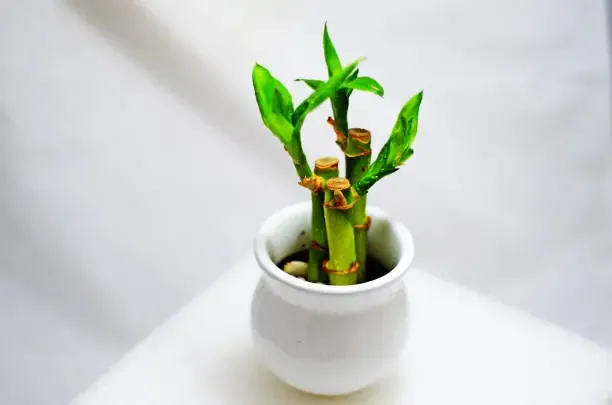
    Lucky bamboo is a popular houseplant that is said to bring good luck and positive energy. It is also a very versatile plant that can be placed in many different areas of your home. In this article, we will discuss the best areas to put lucky bamboo in your home to maximize its benefits.

    Where to Put Lucky Bamboo in Your Home


    Put Lucky Bamboo in Home

    Keep in mind that the top areas for your lucky bamboo in your home bring good luck and wealth. These areas include:

    • Eastern or southeastern corners of your home: These areas are associated with health and wealth in feng shui. (See below why these locations are important)
    • Living room: The living room is the heart of the home and is a great place to place lucky bamboo to promote positive energy and harmony.
    • Home office: Lucky bamboo can help to boost productivity and creativity in the home office.
    • Bedroom: Lucky bamboo can help to promote relaxation and tranquility in the bedroom.
    • Kitchen: Lucky bamboo is a symbol of growth and abundance, making it a good choice for the kitchen.
    • Bathroom: Lucky bamboo can bring a touch of nature and positive energy to the bathroom.

    Best Spots for Your Lucky Bamboo

    It is important to note that feng shui focuses on the arrangement of objects and spaces to promote harmony and balance. The east and southeast corners of your home are associated with health and wealth. Placing your lucky bamboo in these corners can help to attract positive energy and bring good luck into your life.

    To find the east and southeast corners of your home, stand in the front door and face north. The east corner will be on your right, and the southeast corner will be diagonally to your right. An alternative way to find east and southeast is to observe where the sun rises in the morning; the east will be where the sun rises, and the southeast will be slightly to the right of that direction.

    You can also use a compass to find these directions.

    Once you have found the east and southeast corners of your home, place your lucky bamboo in one of these spots. You can also place your lucky bamboo plant in the east and southeast corners of each room in your home.

    Where to Put Lucky Bamboo in Your Home


    Tips for Placing Lucky Bamboo

    When placing lucky bamboo, there are a few things to keep in mind:

    • Choose a bright spot: Lucky bamboo needs bright, indirect light. Avoid placing it in direct sunlight, as this can scorch its leaves.
    • Keep it away from drafts: Lucky bamboo is sensitive to drafts, so avoid placing it near air conditioning vents or windows that are frequently opened and closed.
    • Use distilled or filtered water: Lucky bamboo is best grown in distilled or filtered water. Tap water can contain minerals and chemicals that can harm the plant.
    • Change the water regularly: The water in your lucky bamboo container should be changed every few days. This will help to prevent bacteria from growing and keep your plant healthy.

    Where to Put Lucky Bamboo in Your Home

    The best places to place lucky bamboo are in the eastern and southeastern corners of your home, as these areas are associated with health and wealth in feng shui.

    By placing lucky bamboo in the right areas of your home and following the tips above, you can maximise the benefits of this beautiful plant.

    The Bamboo Method Height Book PDF Download Guide

    Before embarking on the journey of downloading the Bamboo Method Height Book PDF, it is crucial to address some fundamental questions and considerations.

    In the pursuit of personal growth and self-improvement, individuals have often sought unconventional means to enhance various aspects of their lives. One such unconventional method gaining traction in recent times is the Bamboo Method, a purported technique that claims to help individuals grow taller.  

    This method has sparked significant interest, with search trends indicating an astonishing increase in queries related to it.


    1. Bamboo Method to Grow Taller: Fact or Fiction?

    The first question that arises is the legitimacy of the Bamboo Method itself. Does it truly hold the potential to increase one's height? 

    Before you download any resources, it's essential to thoroughly research and critically assess the scientific basis of this method. 

    The internet is replete with numerous unconventional methods, so it's vital to approach them with a discerning eye and a willingness to evaluate claims objectively.


    2. Unveiling the Bamboo Method Growth Statistics

    Search queries related to the Bamboo Method's efficacy have surged, with astonishing growth percentages attached to them. However, it's important to remember that statistics can often be misleading. 

    Before downloading the Bamboo Method Height Book PDF, delve into the data sources behind these growth percentages. 

    Are they based on legitimate research, anecdotal evidence, or simply an attempt to create buzz? Understanding the origins of these figures can help you make an informed decision about the method's potential.

    (Here is the latest article on Bamboo Method you will find useful - click here)

    Bamboo methods for growing taller


    3. Exploring the Bamboo Growth Method for Humans

    Beyond its application in horticulture, bamboo has become an intriguing metaphor for personal growth. 

    As you consider delving into the Bamboo Method Height Book, take time to explore how this method translates the rapid growth of bamboo into a strategy for human height enhancement. 

    Does the method draw on scientific principles, or is it purely metaphorical? Understanding the underlying philosophy can offer insights into the method's effectiveness.


    4. The Essence of the Bamboo Method

    Before you click that download link, be sure to understand the core principles of the Bamboo Method. Does it involve specific exercises, dietary changes, or lifestyle adjustments? 

    Assess whether these proposed techniques align with established scientific knowledge about human growth. 

    Consult reputable sources, such as medical professionals or fitness experts, to evaluate the potential benefits and risks of adopting the Bamboo Method.


    5. Evaluating Real-Life Experiences

    One of the most effective ways to gauge the Bamboo Method's credibility is by exploring real-life experiences shared by individuals who have attempted the method. 

    Look for honest testimonials and reviews from people who have documented their journey and results. 

    This firsthand information can provide valuable insights into the potential outcomes and challenges associated with the Bamboo Method.


    The Bamboo Method Height Book PDF Summary

    In conclusion, the Bamboo Method Height Book PDF has generated a significant buzz in recent times, with remarkable growth percentages in search trends. However, before you dive headfirst into downloading the material, it's essential to approach this unconventional method with caution and skepticism. 

    Investigate the scientific basis, examine the growth statistics critically, understand the method's philosophy, grasp its core principles, and consider real-life experiences before making a decision.

    Remember, personal growth is a journey that requires careful consideration and informed choices. While

    What is the Bamboo Method for Growing Taller?

    The quest for height increase has led to the emergence of various methods, and one such approach is the Bamboo Method. Touted as a scientifically proven technique to enhance height naturally, the Bamboo Method draws inspiration from the growth patterns of bamboo plants. 

    This article aims to address the trending question - What is the Bamboo Method for Growing Taller? It gives  a balanced and informative analysis of the Bamboo Method, addressing its key points, potential benefits, and scientific basis.

    What is the Bamboo Method - bamboo method book pdf


    Highlight: Natural Growth and the Bamboo Method

    The Bamboo Method asserts that by following its guidelines, individuals can achieve height increments of up to 7cm within a span of 12 months. 

    It draws a parallel between human and bamboo growth processes, offering insights into stimulating the body's natural growth mechanisms. 

    The approach emphasises nutrition, exercise, posture correction, and tailored routines to facilitate height enhancement.

    𐩘𐩘𐩘𐩘

    (Here is the latest article on Bamboo Method you will find useful - click here)

    Bamboo methods for growing taller


    Critical Analysis of the Bamboo Method

    1. Suitability for All Ages: The Bamboo Method positions itself as suitable for both men and women of all ages. Its appeal lies in providing a safe alternative to hormone treatments and surgeries, often associated with health risks.

    2. Inclusion of Factors: The program focuses on essential factors like nutrition, exercise, and posture. While these aspects undoubtedly impact overall health, the exact connection between these factors and height increase requires more comprehensive scientific validation.

    3. Safety and Natural Approach: The Bamboo Method prides itself on safety and a natural approach. Its avoidance of invasive methods is a positive aspect; however, its claims of safety must be scrutinized against individual health conditions.

    4. Results and Individual Variability: The Bamboo Method promises height increase within a specific timeframe. Yet, individual results may vary due to genetic factors, growth plate closure after puberty, and lifestyle variables.

    5. Scientific Research: The assertion that the Bamboo Method is scientifically proven warrants closer examination. While it is rooted in a natural approach, the extent of scientific research validating its claims requires further scrutiny.

    6. Post-Puberty Application: The Bamboo Method claims to be effective even after puberty. The notion of post-pubertal height increase challenges conventional understanding of growth plate closure, necessitating a more nuanced discussion.


    Click here to check out the amazing bamboo facts: The Bamboo Method for Growing Taller draws a parallel between human and bamboo growth processes.


    Benefits of Bamboo Murabba: Health and Height

    Beyond the Bamboo Method, bamboo murabba, a product derived from bamboo shoots, has captured attention due to its potential height-enhancing benefits. 

    While anecdotal evidence supports the idea that bamboo shoots can contribute to height growth, the scientific foundation is not yet robust.

    1. Cellular Regeneration: Bamboo murabba's compounds, including proteins and vitamins A and E, are suggested to aid cellular regeneration. While this can positively impact overall health, the direct link to height increase requires more research.

    2. Hyperglycemia Management: The potential blood sugar-regulating properties of bamboo murabba offer health benefits. However, the correlation between blood sugar levels and height increase remains speculative.

    3. Immune Health and Cholesterol Management: Bamboo murabba's potential to boost immunity and maintain cholesterol levels aligns with general health improvement. Yet, the precise influence on height remains uncertain.

    4. Stress Reduction: Stress reduction through a balanced lifestyle and nutritious diet is well-established. Its role in height increase, although indirect, contributes to overall well-being.

     Click here to find out if the bamboo method is fact or fiction.


    A Balanced Perspective

    The Bamboo Method presents an intriguing approach to height growth by leveraging the growth patterns of bamboo plants. 

    While its emphasis on natural methods is commendable, its direct impact on height increase requires deeper scientific validation. 

    Similarly, bamboo Murabba's potential health benefits are valuable but should be approached with realism. Individuals seeking height enhancement should consider a holistic approach, including a balanced diet, exercise, proper posture, and consulting healthcare professionals.


    Final words (What is the Bamboo Method for Growing Taller?)

    In conclusion, while the Bamboo Method and bamboo murabba offer interesting avenues for exploration, their effectiveness in substantial height increase necessitates further scientific inquiry. 

    As with any health-related pursuit, a well-informed approach, guided by scientific evidence and professional advice, is crucial for optimal outcomes.

    How to Roll Sushi with Bamboo Mat

    Sushi is a beloved Japanese dish enjoyed by many worldwide. While it's often associated with restaurant dining, making sushi at home can be a rewarding and fun experience. 

    In this article, we will guide you through the process of rolling sushi using a bamboo mat, also known as a makisu. Whether you're a sushi enthusiast or a first-timer, our step-by-step instructions will help you create delicious sushi rolls right in your kitchen.

    How to Roll Sushi with Bamboo Mat


    Gather Your Supplies

    Before you begin rolling sushi, make sure you have all the necessary supplies. These include:

    • cutting board, 
    • clean damp towel,
    • bowl of cold water, 
    • nori (dried seaweed sheets), 
    • sushi rice, 
    • various fillings like fish, vegetables, and sauces, and, 
    • most importantly, a bamboo mat (makisu) for rolling.


    Preparing the Bamboo Mat

    To prevent the rice from sticking to the bamboo mat, wrap it in plastic wrap. Ensure the plastic wrap's width is wider than the mat. 

    Lay the mat vertically with the bamboo sticks facing upward, and wrap the mat tightly with the plastic wrap, cutting off any excess. 

    Create some slits in the plastic wrap to release air, helping to prevent air bubbles while rolling.


    Basic Hosomaki (Tuna Roll)

    Lay a sheet of nori on the bamboo mat with the rough side facing up. Dip your hands in cold water to prevent the rice from sticking. 

    Place a ball of sushi rice on the nori and spread it evenly, leaving about an inch of space at the top and half an inch at the bottom. 

    Add your desired filling, such as tuna, in the middle of the rice. 

    Roll the bamboo mat, tucking the bottom edge of the nori over the filling. Continue rolling and shaping the sushi until you have a tight, even roll.


    Cutting the Sushi

    Once your sushi roll is complete, use a sharp, wet knife to cut it into pieces. For traditional hosomaki rolls, cut the roll into six pieces. 

    Importanatly, Wipe the knife after each cut to maintain a clean blade, ensuring smooth slices.

    How to Cook Sushi Rice


    Uramaki (Salmon Avocado Roll)

    For uramaki, also known as inside-out rolls, start with the rice side of the nori facing up. Place a generous amount of rice on the nori, almost double what you used for hosomaki. 

    Flip it over so the nori faces up and add your desired fillings, such as salmon and avocado. Roll the sushi, ensuring a tight seal at the end.


    Tatemaki (Shrimp Tempura Roll)

    Tatemaki rolls are thicker and rolled vertically. Sprinkle sesame seeds on the rice before adding your ingredients, such as shrimp tempura, imitation crab, cucumber, and jalapenos. 

    Roll the sushi tightly, and then cut it into five pieces.


    Temaki (Unagi Hand Roll)

    Temaki rolls are hand rolls that don't require a bamboo mat. Place the nori in your non-dominant hand, and add rice and your preferred fillings diagonally. 

    Fold the nori over the ingredients, shaping it into a cone. Use a bit of rice as glue to seal the roll.


    Summary (How to Roll Sushi with Bamboo Mat)

    Rolling sushi with a bamboo mat can be an enjoyable and rewarding experience. With the right tools and ingredients, you can create a variety of delicious sushi rolls at home. 

    From basic hosomaki to more elaborate uramaki and temaki, you can customise your sushi with your favorite fillings and sauces. 

    Remember to keep your knife clean and wet for smooth, clean cuts, and don't forget to get creative with your plating. Enjoy the process, and savor your homemade sushi creations!

    Lucky Bamboo Plant Benefits: Green Living and Good Fortune

    If you're searching for a low-maintenance plant that promotes green living at home, lucky bamboo might be the perfect choice. 

    Lucky Bamboo Plant Benefits

    This popular household plant not only adds a touch of elegance to your living space but also offers a range of benefits that can positively impact your well-being and surroundings. Let's explore the seven key benefits of keeping a lucky bamboo plant at home.

    Lucky Bamboo Plant Benefits


    Lucky Bamboo Creates a Healthy Environment

    Lucky bamboo plants are believed to be highly effective at purifying the air and promoting a healthy living environment. 

    While some claims about their ability to reduce harmful toxins and increase oxygen levels are still under debate, one thing is certain—having household plants like lucky bamboo creates a happier and healthier atmosphere

    Studies have shown that plants can enhance mental health, improve focus, elevate moods, and induce a sense of calmness, making them valuable additions to any living space.


    Easy to Grow Indoors

    For those who lack a green thumb, lucky bamboo is a great option. It's one of the easiest houseplants to grow indoors, making it suitable for both seasoned gardeners and novices alike. 

    Lucky bamboo can thrive in various conditions, including low light and infrequent watering. 

    With proper care, these plants can continue to flourish in your home for many years, even if you occasionally forget to water them.

    Lucky bamboo benefits and growing conditions


    Matches Well With Bamboo Floors

    If you have bamboo floors in your home, adding a lucky bamboo plant can beautifully complement your modern-style interior decor. 

    Whether placed as part of a centrepiece or on a bookshelf, lucky bamboo adds natural charm to any room. 

    Moreover, the sustainable qualities shared by lucky bamboo and bamboo floors, such as being naturally pest-resistant and biodegradable, align with environmentally friendly living.


    Good Luck Charm

    Lucky bamboo plants have a rich history of being used as good luck charms, particularly in Feng Shui practices. 

    Different arrangements of lucky bamboo stalks symbolize various forms of luck, such as prosperity, love, health, and positive emotions. 

    Avoiding groupings in multiples of four is advised, as this number is associated with death. When given as a gift, lucky bamboo carries these positive effects, making it a thoughtful present for loved ones.


    Aesthetically Pleasing and Versatile

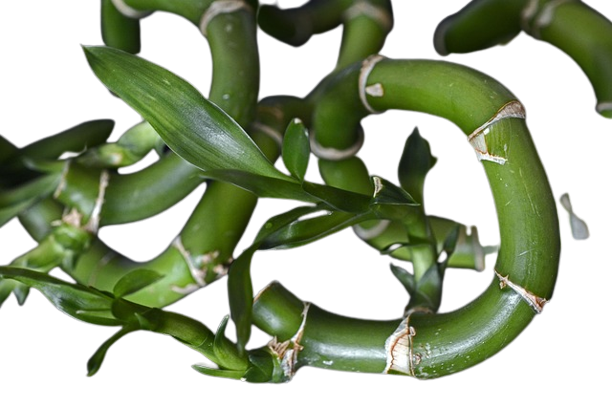
    Beyond their symbolic meanings, lucky bamboo plants are aesthetically pleasing and can be shaped into various patterns using ribbons or strategic lighting. 

    They can enhance the visual appeal of any room, making them a versatile choice for home decoration.

    Also, lucky bamboo is low-maintenance and can thrive in a variety of conditions. Its resilience means you don't need to invest significant time or money to care for it, making it an affordable and hassle-free addition to your home.


    Promotes Green Living and Positive Vibes

    By adding a lucky bamboo plant to your home, you not only bring in some greenery but also welcome positive vibes and good fortune. 

    Cultivating an appreciation for nature and incorporating living organisms like plants into your living space can have a positive impact on your well-being and overall outlook on life.


    Luck and Good Fortune

    In conclusion, lucky bamboo plants offer a range of benefits that make them a wonderful addition to any home. 

    So, why not consider bringing the benefits of lucky bamboo into your home today? Enjoy the perks of good luck and good fortune with this elegant and auspicious plant.

    Lucky Bamboo Propagation: How to Plant Lucky Bamboo

    Lucky bamboo (Dracaena sanderiana) is a popular and visually appealing houseplant known for its elegant appearance and ability to bring good luck and positive energy. 

    While it's often found potted in containers with water and pebbles, lucky bamboo can also be propagated to create new starts and expand your collection. Read about the process of propagating lucky bamboo to grow new healthy plants.

    1. Selecting the Right Stalks

    To start the propagation process, you'll need mature lucky bamboo stalks that have been growing for about four months and have reached a length of eight to ten inches. 

    These stalks will serve as the source for new starts. Look for healthy, vibrant green stems without any signs of disease or damage.


    2. Preparing the Stalks for Propagation

    Begin by removing about eight to ten inches of growth from the selected lucky bamboo stalks. These cuttings will be placed in a separate container for propagation. 

    Trim the remaining stalks neatly and apply hot wax to the cut end to seal it properly.

    how to plant lucky bamboo

    3. Separating the Roots

    Gently remove the lucky bamboo stalks from their existing container. The roots may be entangled, so take care to separate them carefully without causing damage. 

    Lucky bamboo roots are known for their beautiful red colour and should be healthy and free from any signs of decay.


    4. Identifying the Nodes

    The nodes on the lucky bamboo stalks are key to successful propagation. The nodes are the points where the roots and leaves grow. 

    Identify the nodes, which appear as raised rings around the stem.

    Find out how to plant lucky bamboo in pots, gravel, ground and how to plant lucky bamboo in water.


    5. Cutting and Propagation

    Using sharp and clean tools, cut the stalk about half an inch above the identified node. Make a clean and swift cut to avoid damaging the plant. 

    Strip away any leaves near the cut to have a clean section for propagation. These cuttings are now ready to be propagated into new lucky bamboo plants.


    6. Propagation Medium

    Prepare a container filled with either dechlorinated water or aquarium water (which contains some nitrogen that promotes root growth). 

    The cut ends of the lucky bamboo cuttings should be submerged in the water, and the container should be placed in a well-lit area, but away from direct sunlight. WATCH THIS VIDEO FOR MORE INFORMATION,

    7. Adding Aquarium Gravel

    To keep the new lucky bamboo cuttings upright and stable, add an inch of aquarium gravel to the container. This will help support the cuttings and encourage them to grow straight and strong.


    8. Care during Propagation

    Keep an eye on the propagating cuttings and maintain the water level. Change the water if it becomes murky or stagnant, as fresh water will encourage healthy root growth. 

    Be patient; it can take about a month for the cuttings to develop roots and grow new shoots.


    9. Transplanting

    Once the new lucky bamboo plants have developed a substantial root system and new shoots have emerged, they can be transplanted into pots with a well-draining potting mix suitable for indoor plants. 

    Continue to care for the young plants as you would for mature lucky bamboo.

    how to plant lucky bamboo


    Final words - Lucky Bamboo Propagation

    Lucky bamboo propagation is a rewarding process that allows you to expand your collection of these beautiful and meaningful plants. With a little care and patience, you can successfully grow new lucky bamboo starts from mature stalks. 

    Remember to use clean and sharp tools, maintain a healthy propagation environment, and enjoy the growth of these new plants as they bring good fortune and beauty into your home or office. 

    Happy propagating!

    Supercharge Your Lucky Bamboo Plants with these Tips and Tricks

    Lucky bamboo plants have gained immense popularity as beautiful and low-maintenance houseplants that are believed to bring positive energy and good luck. Let's take a look at the secrets of growing healthy lucky bamboo plants.

    how to grow healthy lucky bamboo plants


    Harness the Power of Cinnamon

    Cinnamon, the aromatic spice found in our kitchen cabinets, can work wonders for your lucky bamboo plant. Acting as both a rooting hormone and a natural fungicide, cinnamon helps promote healthy root growth and protects your plant from potential infections. 

    Simply create a cinnamon-water mixture and soak your lucky bamboo's roots in it for a couple of hours before repotting. You'll be amazed by the magical results!


    Check out this Video for more information.

    Soil vs. Water: Choose Wisely

    One of the most common debates in lucky bamboo care is whether to grow it in soil or water. Both methods have their benefits, but understanding their unique requirements is key. 

    Lucky bamboo in water demands more frequent care, as it can quickly dry out, while soil-grown bamboo tends to be more resilient and requires less frequent watering. 

    Consider your schedule and preference to choose the best-growing medium for your lucky bamboo.


    Pruning - Nurturing Growth

    Regular pruning is crucial for maintaining the shape and health of your lucky bamboo. Trim away yellow or dead leaves to allow new growth to flourish. 

    This pampering session not only helps your plant look better but also promotes rejuvenation and encourages new shoots to emerge.


    Placement Matters

    When it comes to lucky bamboo, the right spot is vital. Place your plant in a well-lit area that receives bright, indirect sunlight. 

    Avoid direct sun exposure, as it can scorch the delicate leaves and harm the plant. 

    Striking the perfect balance of light will result in vibrant and healthy growth.


    Here is how to stop the Yellowing of Lucky Bamboo Leavers.


    Watering Wisdom

    Moderation is the key to watering your lucky bamboo. Overwatering can lead to root rot, while underwatering can cause it to dry out and suffer. 

    Observe your plant's moisture needs and establish a watering routine that suits its specific requirements. Balance is the secret to a thriving and happy plant.


    Supercharge Your Lucky Bamboo Plant

    With these top tips, you can transform your lucky bamboo plant into a symbol of abundance and prosperity. 

    Remember, just like any living organism, your lucky bamboo needs tender loving care and attention to thrive. So implement these tips and watch your lucky bamboo plant grow and prosper with beauty and grace!

    Biodegradable Water Balloons: Eco-Friendly Fun for Responsible Splashers

    Water balloon fights are a classic summertime activity enjoyed by people of all ages. However, concerns about the environmental impact of traditional latex balloons have prompted the development of biodegradable alternatives. 

    In this article, we will explore the concept of biodegradable water balloons and shed light on popular products such as Bunch O Balloons.

    Biodegradable Water Balloons: Eco-Friendly Fun for Responsible Splashers


    Are Water Balloons Biodegradable?

    Water balloons, in their traditional form, are made from latex, a natural rubber material derived from the sap of rubber trees. 

    Unfortunately, latex balloons are not biodegradable. When released into the environment, they can take several years to decompose fully. The remnants can be harmful to wildlife and contribute to pollution.


    Introducing Biodegradable Water Balloons

    In response to growing environmental concerns, manufacturers have introduced biodegradable water balloons as a sustainable alternative. 

    These eco-friendly balloons are typically made from natural materials such as natural rubber latex or plant-based polymers.


    Bunch O Balloons: Convenience Meets Sustainability:

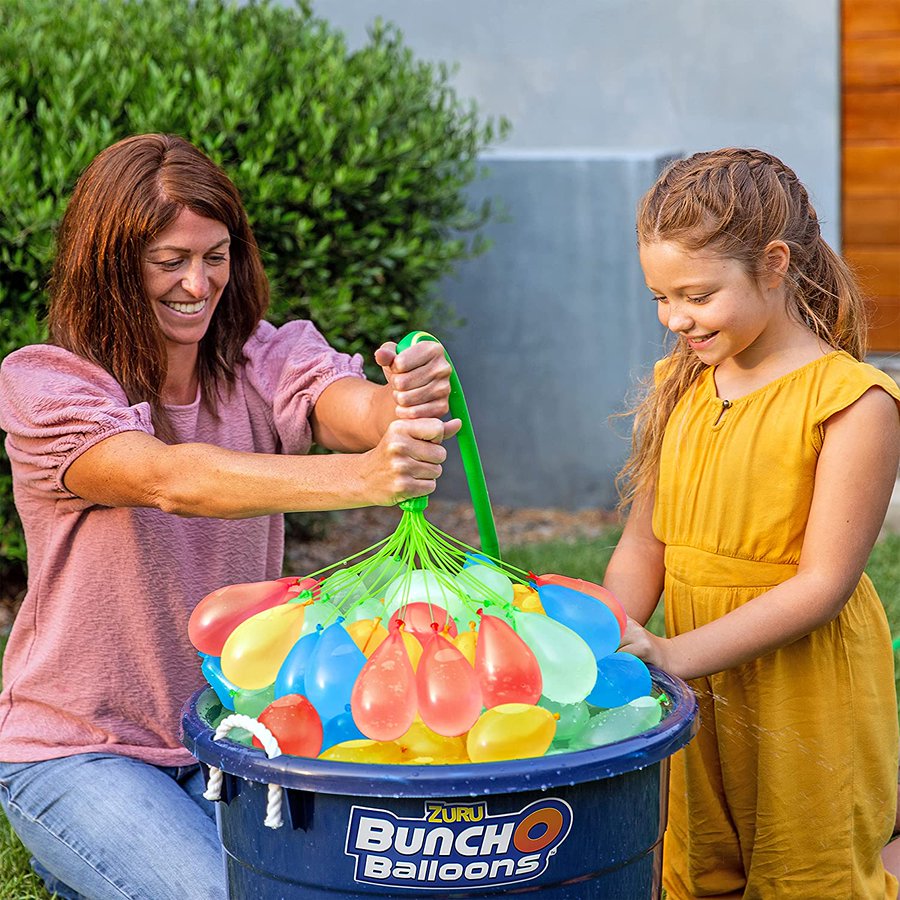
    One popular brand of biodegradable water balloons is Bunch O Balloons. Bunch O Balloons offers an innovative solution to fill and tie multiple water balloons simultaneously, allowing for quick and hassle-free water balloon preparation. The product is designed to minimize water wastage and reduce cleanup time, making it a popular choice for large-scale water balloon battles.


    Are Bunch O Balloons Biodegradable?

    Not all Bunch O Balloons are biodegradable, but the latest ones are.  Some companies are committed to sustainability, and their balloons are biodegradable. 

    The balloons are made from a biodegradable material that breaks down naturally over time, reducing their impact on the environment. 

    When properly disposed of, they pose minimal harm to wildlife and ecosystems.

    Are Bunch O Balloons Biodegradable


    How to Use Biodegradable Water Balloons

    Using biodegradable water balloons is similar to using traditional latex balloons. Here's a step-by-step guide:

    • Step 1: Purchase biodegradable water balloons, such as Bunch O Balloons, from a reputable retailer.
    • Step 2: Fill a large bucket or container with water.
    • Step 3: Attach the provided hose adapter or connector to your garden hose.
    • Step 4: Connect the filler hose to the balloon stem, following the manufacturer's instructions.
    • Step 5: Turn on the water supply and watch as the balloons fill up simultaneously.
    • Step 6: Once the balloons are filled, they will automatically seal themselves. Gently remove them from the stem, and they are ready for use!


    Best Practices for Responsible Water Balloon Fun

    While using biodegradable water balloons helps minimize environmental impact, it's essential to practice responsible water balloon fun. 

    Here are some tips to consider:

    • a) Choose appropriate battle locations: Opt for open areas away from delicate ecosystems, bodies of water, or areas with excessive litter.
    • b) Clean up after the fun: Encourage participants to collect and dispose of any balloon fragments properly.
    • c) Avoid overfilling balloons: Overfilled balloons are more likely to burst upon impact, leaving behind debris.
    • d) Consider alternative water activities: Explore other water games or engage in water conservation initiatives to promote responsible enjoyment.


    Biodegradable Water Balloons

    Biodegradable water balloons provide a sustainable solution for water balloon enthusiasts while minimizing harm to the environment. 

    Products like Bunch O Balloons offer convenience, speed, and eco-friendliness, making them a popular choice. 

    Remember to use these balloons responsibly, follow best practices, and always dispose of them properly. Let's enjoy water balloon fun while preserving our planet for future generations.

    Which statements describe the importance of the nitrogen cycle to living things?

    Which statements describe the importance of the nitrogen cycle to living things? 

    Select two options. 

    A) it provides a source of water. 

    B) it helps cells make proteins. 

    C) it provides a form of usable nitrogen. 

    D) it removes carbon dioxide from the atmosphere. 

    E) it destroys harmful bacteria. 

    F) it helps cells make glucose.


    The two statements that describe the importance of the nitrogen cycle to living things are:

    B) It helps cells make proteins.

    C) It provides a form of usable nitrogen.

    Which statements describe the importance of the nitrogen cycle to living things?


    Reasoning

    B) It helps cells make proteins: 

    Nitrogen is a vital component of proteins, which are essential macromolecules involved in various biological processes. Proteins play a critical role in the structure, function, and regulation of cells, tissues, and organs. 

    The nitrogen cycle ensures that nitrogen is converted into different forms, such as ammonia, nitrite, and nitrate, which can be assimilated by plants and ultimately consumed by animals. 

    Through this process, nitrogen becomes available for the synthesis of amino acids, the building blocks of proteins.


    C) It provides a form of usable nitrogen: 

    Nitrogen gas (N2) is abundant in the Earth's atmosphere but is not directly usable by most organisms. The nitrogen cycle converts atmospheric nitrogen into biologically usable forms. Nitrogen-fixing bacteria, such as those found in the roots of leguminous plants or in the soil, convert nitrogen gas into ammonia through nitrogen fixation. 

    Ammonia is further converted into nitrite and nitrate by nitrifying bacteria. These nitrite and nitrate ions are then taken up by plants and used to synthesize proteins and other essential nitrogen-containing compounds. 

    Ultimately, these usable forms of nitrogen are passed through the food chain, allowing organisms to access the nitrogen they need for growth and development.

    How do animals get nitrogen?

    Question: How do animals get nitrogen? 

    A) They break down glucose molecules into nitrogen. 

    B) They convert carbon to nitrogen during fixation. 

    C) They eat it in plants and other animals. 

    D) They breathe it in from the atmosphere.

    How do animals get nitrogen?


    Answer: The correct answer is C) They eat it in plants and other animals.

    Animals obtain nitrogen primarily by consuming plants or other animals in their diet. Nitrogen is an essential element for the synthesis of proteins and nucleic acids, which are vital for the growth, development, and maintenance of an animal's body. However, animals cannot directly utilize the nitrogen present in the atmosphere, so they rely on obtaining it from organic sources.

    Plants play a crucial role in the nitrogen cycle by absorbing nitrogen from the soil and incorporating it into their tissues. Animals that consume these plants obtain the nitrogen stored within their cells. This transfer of nitrogen through the food chain occurs as animals consume other animals or plants.


    Explanation

    Option A, "they break down glucose molecules into nitrogen," is incorrect. Glucose is a carbohydrate, and nitrogen is not a component of glucose. Animals can use glucose as an energy source, but it does not provide nitrogen.


    Option B, "they convert carbon to nitrogen during fixation," is also incorrect. Carbon fixation refers to the process in which carbon dioxide is converted into organic compounds, such as glucose, during photosynthesis. Nitrogen fixation, on the other hand, is the process in which atmospheric nitrogen is converted into a usable form by certain bacteria and plants.


    Option D, "they breathe it in from the atmosphere," is incorrect as well. While nitrogen is the most abundant gas in the Earth's atmosphere, animals do not directly extract nitrogen from the air they breathe. Instead, they obtain it through the consumption of nitrogen-rich food sources.


    Therefore, option C, "they eat it in plants and other animals," is the correct answer as it accurately reflects how animals acquire nitrogen in their diet.

    Understanding the Carbon Cycle: How Carbon Dioxide Returns to the Atmosphere

    Carbon dioxide (CO2) is a gas that is naturally present in the Earth's atmosphere. It plays an important role in keeping the planet warm, which is necessary for supporting life. However, too much CO2 in the atmosphere can cause problems, such as climate change.

    Understanding the Carbon Cycle: How Carbon Dioxide Returns to the Atmosphere


    When we burn fossil fuels like coal, oil, and natural gas for energy, we release a lot of CO2 into the air. This happens when we use cars, produce electricity, or heat our homes, for example. Additionally, when we cut down forests, the trees that are removed can no longer absorb CO2 through a process called photosynthesis.


    So, how does carbon dioxide get back into the atmosphere? There are a few ways this happens:


    1. Respiration: Humans, animals, and even plants release CO2 into the air when they breathe. When we exhale, we produce carbon dioxide as a waste product, and that CO2 is released into the atmosphere.


    2. Decomposition: When plants and animals die, their bodies decompose, and during this process, carbon dioxide is released back into the environment.


    3. Combustion: Natural events like wildfires also release large amounts of CO2 into the air. When trees and plants burn, the carbon stored in them is released as carbon dioxide.


    4. Volcanic activity: Volcanoes release gases, including carbon dioxide, into the atmosphere when they erupt. Although volcanic eruptions are relatively rare, they can release significant amounts of CO2.


    These natural processes continuously cycle carbon dioxide back into the atmosphere. However, the problem we face today is that human activities, especially the burning of fossil fuels, are releasing CO2 into the atmosphere at a much faster rate than natural processes can handle. This causes the levels of carbon dioxide in the atmosphere to increase over time, contributing to climate change.


    To address this issue, it's important to reduce our carbon dioxide emissions by using cleaner energy sources, conserving energy, and protecting and restoring forests that can absorb CO2. By taking these actions, we can help balance the carbon dioxide levels in the atmosphere and mitigate the impacts of climate change.